

Healthy skin and strong hair depend on more than topical products and cosmetic treatments. Nutrition, hydration, genetics, hormones, lifestyle, and overall health all influence how skin and hair look and feel. For people looking to support their wellness from within, IV therapy for glowing skin and hair growth in Dubai is one option to discuss with a qualified medical professional.
At Dr. Disha Dinakar’s aesthetic clinic in Dubai, IV therapy is offered through different wellness infusion options containing selected vitamins, antioxidants, amino acids, and other nutrients. These ingredients are administered intravenously when clinically appropriate. The aim is to address individual nutritional or hydration needs rather than promise instant changes in skin appearance or hair density.
Understanding how IV therapy works, what ingredients may be used, and what results can realistically be expected helps patients make informed decisions.
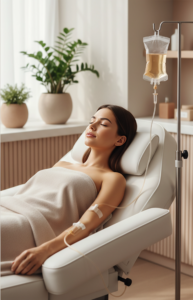
What Is IV Therapy for Skin and Hair?
Intravenous (IV) therapy is a medical procedure in which fluids and selected nutrients are delivered directly into a vein through a small cannula. This route bypasses the digestive system and allows the administered substances to enter the bloodstream.
In aesthetic and wellness settings, IV formulations may include vitamins, minerals, antioxidants, amino acids, and other nutrients. The specific ingredients depend on the formulation and the patient’s medical requirements.
For skin and hair wellness, IV therapy is commonly discussed in relation to:
- Nutritional support when a deficiency has been identified.
- Hydration when intravenous fluids are medically appropriate.
- Delivery of selected vitamins and antioxidants.
- Supporting normal cellular functions involved in skin and hair health.
IV therapy is not a replacement for a balanced diet, appropriate skincare, or a medical assessment of hair loss. Receiving nutrients intravenously does not automatically produce better cosmetic results than taking them orally when oral intake is sufficient.

How Can IV Therapy Support Skin Wellness?
Skin health is influenced by several biological processes, including collagen formation, antioxidant activity, hydration, and normal cell renewal. Nutrients such as vitamin C, zinc, and certain B vitamins contribute to these processes when consumed in adequate amounts.
Some IV formulations are designed to provide selected nutrients to patients who have specific clinical needs. However, evidence that cosmetic IV drips improve skin glow, reduce wrinkles, or reverse pigmentation in otherwise healthy people remains limited.
1. Nutritional Support for Skin Function
Vitamins and minerals play important roles in normal skin function. Vitamin C, for example, contributes to collagen synthesis and antioxidant protection. Zinc supports normal tissue repair and immune function.
Correcting a confirmed deficiency may support general health and normal skin function. It does not mean that additional doses will necessarily improve the appearance of already healthy skin.
2. Hydration Support
Hydration is important for normal body function and skin appearance. IV fluids can help manage dehydration when intravenous hydration is medically indicated.
For people who are adequately hydrated, routine IV fluids have not been shown to provide superior skin benefits compared with drinking enough fluids. A medical professional should determine whether an infusion is necessary.
3. Antioxidant Support
Antioxidants help the body manage oxidative stress. Ingredients such as vitamin C and glutathione are frequently discussed in aesthetic wellness.
Their biological roles should not be confused with proven cosmetic outcomes. In particular, evidence supporting IV glutathione for skin lightening or long-term improvement in skin quality is insufficient.
Patients interested in pigmentation concerns can also explore IV Drip Therapy for Skin Lightening in Dubai to understand another IV therapy option and discuss its suitability, evidence, and safety with a medical professional.
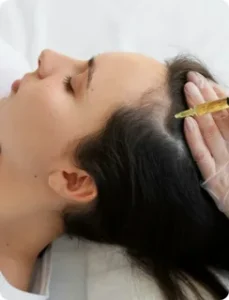
IV Therapy for Hair Growth and Hair Health
Hair growth depends on the health of hair follicles and the normal hair-growth cycle. Genetics, hormones, age, stress, nutritional deficiencies, medical conditions, and certain medications can all contribute to thinning or excessive shedding.
Nutrients such as iron, zinc, vitamin D, and B vitamins are important for normal body function. Deficiencies in some of these nutrients may contribute to hair problems. However, taking extra vitamins when no deficiency exists is not a proven way to stimulate hair growth.
1. Addressing Nutritional Deficiencies
A medical assessment can help identify whether a nutritional deficiency may be contributing to hair shedding. Depending on symptoms and medical history, a clinician may recommend blood tests to assess iron status, thyroid function, or selected vitamin levels.
If a deficiency is confirmed, the appropriate treatment may involve dietary changes, oral supplementation, or medically indicated IV replacement. The route depends on the deficiency and the patient’s circumstances.
2. Supporting Overall Hair Health
Hair follicles require a suitable internal environment to function normally. Adequate nutrition, management of underlying health conditions, and appropriate scalp care all contribute to a broader hair-health plan.
IV nutrient therapy may have a role when a specific medical need is identified, but it should not be promoted as a guaranteed hair-regrowth treatment.
People experiencing persistent shedding, widening part lines, or reduced hair density may benefit from a dedicated Hair Loss Clinic in Dubai assessment to identify the underlying cause and discuss appropriate treatment options.
Featured IV Drip Treatments at Dr. Disha Dinakar’s Clinic
The clinic’s IV therapy page describes several wellness infusion options. Each has a different intended focus, and the appropriate choice should be based on a medical consultation rather than a cosmetic promise.
Radiance Elixir
Radiance Elixir is presented as a brightening infusion associated with luminous-looking skin and antioxidant support. Patients should discuss its ingredients, suitability, and the limited evidence for cosmetic brightening before proceeding.
Glow & Strength Infusion
Glow & Strength Infusion is described as a beauty-focused option for hair, skin, and nails. The clinic lists ingredients including biotin, collagen peptides, and antioxidants. The clinical value depends on the exact formulation and whether the patient has a relevant nutritional need.
MetaboSculpt Infusion
MetaboSculpt Infusion is presented as a metabolism-focused wellness formulation. However, IV nutrient blends have not been established as standalone treatments for fat loss or weight management. Patients should ask about the ingredients and evidence supporting the proposed benefits.
IronVive Boost
Iron replacement may be appropriate for people with confirmed iron deficiency when oral iron is unsuitable or ineffective, or when a clinician identifies another medical reason for intravenous treatment. Iron infusions require careful assessment and monitoring.
NAD+ IV Therapy
NAD+ is involved in cellular metabolic processes. Although it is promoted in some wellness settings, strong clinical evidence for anti-ageing, energy, or cosmetic benefits from IV NAD+ remains limited.
Other formulations listed by the clinic include SereniCalm Blend, FemmeVital Drip, Men’s Vital Core, and PureBalance Cleanse. Their ingredients, intended uses, and evidence should be reviewed individually with the treating clinician.
IV Therapy vs Other Skin and Hair Treatments
IV therapy is a systemic approach: nutrients enter the bloodstream. Other aesthetic procedures work through different routes and target specific skin or scalp concerns.
For example, Mesotherapy in Dubai involves delivering selected ingredients through small injections into the skin or scalp. It is therefore different from an intravenous infusion. Its suitability depends on the patient’s concerns, the formulation used, and the available clinical evidence.
For certain types of hair loss, a clinician may also discuss Exosome Therapy for Hair and Skin in Dubai. Exosome-based aesthetic treatments are an emerging area, and evidence regarding their effectiveness and long-term safety is still developing. They should not be presented as a guaranteed solution for hair regrowth or skin rejuvenation.
The best option depends on the diagnosis. IV therapy should not replace treatments with stronger evidence for a specific hair or skin condition.
What Happens During an IV Therapy Consultation?
A responsible IV therapy process begins with an assessment.
- Consultation: Discuss your skin or hair concerns, medical history, medications, allergies, and expectations.
- Clinical assessment: The doctor determines whether IV therapy is appropriate and whether any investigations are needed.
- Formulation review: The ingredients, intended purpose, possible benefits, and limitations are explained.
- Administration: If prescribed, the infusion is administered by a trained healthcare professional using appropriate sterile procedures.
- Monitoring: The patient is observed for possible reactions and receives aftercare guidance.
The number and frequency of sessions should not be assumed in advance. They depend on the medical indication, formulation, and individual response.
Is IV Therapy Safe?
IV therapy is an invasive medical procedure and is not risk-free. Possible complications include bruising, discomfort, vein irritation, infection, allergic reactions, and fluid or electrolyte disturbances. Some ingredients can also cause adverse effects or interact with medications.
Patients should disclose pregnancy, kidney or heart conditions, allergies, current medication use, and previous reactions to infusions. High-dose vitamin or mineral administration should only occur when medically justified.
A clinic should explain the product source, ingredients, dose, sterile preparation standards, and monitoring arrangements before treatment. Seek urgent medical attention if you experience breathing difficulty, chest pain, facial swelling, or another severe reaction during or after an infusion.
Frequently Asked Questions
1. Does IV therapy make skin glow?
IV therapy can deliver selected nutrients and fluids, but there is limited evidence that cosmetic IV drips reliably improve skin glow in people without deficiencies. Results should not be guaranteed.
2. Can IV therapy stop hair fall?
It may help address a confirmed nutritional deficiency when intravenous replacement is medically appropriate. It does not treat every cause of hair loss. Persistent shedding needs an assessment to identify the underlying condition.
3. Which vitamins are important for skin and hair?
Vitamin C, vitamin D, B vitamins, zinc, and iron all have roles in normal body function. The nutrients that matter for an individual depend on their diet, health, and test results. Taking extra supplements without a deficiency may not provide additional benefits.
4. How many IV therapy sessions are needed?
There is no universal schedule for cosmetic IV therapy. The need for treatment and any follow-up sessions should be determined by the clinician after reviewing the patient’s health and treatment goals.
5. Is IV therapy better than oral supplements?
Not necessarily. IV administration bypasses digestion, but that does not make it more effective for everyone. Oral supplements or dietary changes may be more appropriate when a deficiency can be safely corrected that way.
6. Can IV therapy and hair treatments be combined?
Some treatments may be considered as part of a broader care plan. However, combining procedures should depend on the diagnosis, medical suitability, potential interactions, and evidence supporting each treatment.
Book an IV Therapy Consultation in Dubai
Skin and hair concerns can have different underlying causes, so treatment should begin with an individual assessment. Dr. Disha Dinakar’s aesthetic clinic in Dubai offers IV therapy options for patients interested in skin and hair wellness.
Patients interested in IV therapy for glowing skin and hair growth can arrange a consultation to discuss their health history, nutritional needs, available formulations, and realistic treatment expectations.
A personalised consultation can help determine whether IV therapy is appropriate or whether another evidence-based skin or hair treatment is more suitable.
