What Are the Best Hair Treatments for Hair Growth?
The best hair treatments depend on the cause of hair loss, scalp condition, degree of follicular thinning, and the patient’s overall health. Evidence-based options may include topical minoxidil, prescription medications, platelet-rich plasma (PRP), selected scalp therapies, and treatments for nutritional or hormonal conditions. The best approach starts with a professional assessment, not a procedure chosen based on popularity alone.
For patients experiencing hair thinning, excessive shedding or reduced hair density, early assessment can help identify potentially reversible causes and guide treatment before further progression occurs. At Dr. Disha Dinakar’s aesthetic clinic in Jumeirah, Dubai, personalized hair restoration protocols are designed around individual concerns, suitability, and realistic treatment goals.
Understanding how different treatments work makes it easier to choose a safe, practical and sustainable approach to healthier-looking hair.
Understanding Hair Loss: Why Is Your Hair Thinning?
Hair loss is not a single condition. It is a symptom that can result from several biological, genetic, environmental, and lifestyle-related factors. Identifying the cause matters because treatments that help one type of hair loss may not address another.
Common Causes of Hair Thinning
Androgenetic alopecia: Also known as pattern hair loss, this condition involves genetic susceptibility and sensitivity to androgens. It commonly produces a receding hairline or crown thinning in men and widening of the central part or diffuse thinning in women.
Telogen effluvium: This form of temporary shedding may occur after significant stress, illness, surgery, childbirth, rapid weight loss or another physiological trigger. Shedding can become noticeable several months after the triggering event.
Nutritional deficiencies: Insufficient iron, inadequate protein intake, and certain other nutritional deficiencies may contribute to hair shedding or impaired hair growth. Supplementation should be based on clinical assessment, not assumptions.
Hormonal and medical conditions: Thyroid disorders, certain hormonal conditions, medications, and other illnesses can affect the hair growth cycle.
Scalp inflammation and hair damage: Some inflammatory scalp disorders, infections, tight hairstyles, and repeated chemical or heat exposure can damage hair or contribute to hair loss.
A professional assessment may include a medical history, scalp examination, review of medications and, when indicated, laboratory investigations. Some patients may need further dermatological evaluation to distinguish between temporary shedding, patterned thinning, and inflammatory or scarring conditions.
The American Academy of Dermatology emphasizes that identifying the cause is central to selecting appropriate hair loss treatment.

7 Best Hair Treatments and Hair Restoration Options
No single treatment works equally well for every patient. The following options address different aspects of hair health, and their suitability depends on the diagnosis, clinical evidence and individual circumstances.
1. Platelet-Rich Plasma (PRP) for Hair Loss
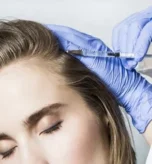
Platelet-rich plasma is a procedure that uses a concentrated preparation derived from a patient’s own blood. After processing, the platelet-rich portion is injected into selected areas of the scalp.
Platelets contain growth factors and signaling molecules involved in tissue repair. In hair restoration, PRP is being studied for its potential to support follicular activity and improve hair density in selected patients, particularly those with pattern hair loss.
Potential benefits include:
- Possible improvement in hair density and thickness.
- A minimally invasive alternative to surgery for suitable patients.
- It may complement other treatments in a personalized plan.
However, outcomes vary, and research protocols are not fully standardized. PRP is not a guaranteed solution for advanced baldness or permanently damaged follicles. Temporary discomfort, swelling, bruising and infection are possible risks.
PRP may be considered after assessment confirms that the patient’s hair loss pattern is appropriate for the procedure.
2. Platelet-Rich Fibrin (PRF)
Platelet-rich fibrin is another blood-derived preparation used in regenerative medicine. It forms a fibrin matrix containing platelets and other blood components, intended to support the local tissue environment.
PRF is being explored for scalp and hair restoration applications. Nevertheless, evidence remains less established than for some conventional hair loss treatments, and preparation methods differ between providers.
Patients should ask what formulation is being used, what evidence supports its intended application, and whether it is appropriate for their diagnosis. PRF should not be presented as a proven replacement for established medical treatments.
3. Medical Treatments for Hair Regrowth
For certain types of hair loss, medication has stronger clinical evidence than many cosmetic or regenerative procedures.
Minoxidil is a well-established option for selected patients with pattern hair loss. Topical formulations may help slow progression and support regrowth, although results take time and vary by individual. Continued use is generally necessary to maintain benefits.
Finasteride may be prescribed for eligible men with male pattern hair loss. Its suitability requires discussing potential adverse effects and reproductive considerations.
Other prescription treatments may be appropriate for selected patients, depending on the diagnosis. For example, some women may benefit from clinician-supervised hormonal or anti-androgen treatments, while alopecia areata requires a different treatment strategy.
Medication is not suitable for everyone. Pregnancy considerations, medical history, potential interactions and local prescribing guidance must be taken into account. Patients should not start, stop or combine prescription treatments without appropriate medical advice.
4. Hair Mesotherapy
Hair mesotherapy generally refers to injections of selected substances into the superficial scalp. Depending on the provider and formulation, these may include vitamins, amino acids or other compounds marketed for hair support.
Although mesotherapy is widely promoted, the evidence varies considerably by ingredient, formulation and indication. It should not be assumed that injecting vitamins or growth-promoting substances will reverse genetic hair loss.
Before proceeding, patients should ask which substances will be administered, what evidence supports their use, whether the treatment is appropriate for their condition and what adverse effects may occur.
If a nutritional deficiency is identified, correcting it through an appropriate dietary or medical plan may be more relevant than routine scalp injections.
5. Low-Level Laser Therapy (LLLT)
Low-level laser therapy uses specific wavelengths of light to target the scalp. Certain devices have shown potential to improve hair density in some people with hereditary hair loss.
The treatment is non-invasive, but results depend on the device, consistency of use and the patient’s condition. Evidence for long-term benefit remains limited, and not everyone responds.
LLLT may be considered as an adjunct to an established treatment plan rather than a guaranteed standalone solution. Patients should confirm the device suits their intended use and understand the expected time commitment.
6. Scalp Treatments and Hair-Care Optimisation
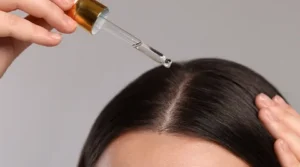
A healthy scalp supports normal hair growth, but cosmetic scalp treatments are not interchangeable with medical hair restoration.
Scalp cleansing, appropriate moisturization and treatment of diagnosed scalp conditions can improve comfort and help reduce avoidable irritation. Medicated shampoos may help with specific conditions, such as dandruff or seborrhoeic dermatitis.
Gentle hair care also matters. Excessive heat, aggressive brushing, tight hairstyles and repeated chemical processing can contribute to breakage and traction-related damage.
A scalp detox or hydration treatment may improve the cosmetic condition of the scalp, but it should not be marketed as a proven way to reverse genetic hair loss. The priority is to distinguish scalp care from interventions intended to stimulate hair regrowth.
7. Personalized Combination Hair Restoration
Some patients benefit from a combination of interventions rather than a single procedure. A plan may involve medical treatment, correction of an identified deficiency, appropriate scalp care and selected in-clinic procedures.
The objective is to address the factors contributing to hair loss while avoiding unnecessary treatments.
At Dr. Disha Dinakar’s hair loss clinic in Dubai, hair restoration begins with understanding the patient’s concerns and assessing suitable non-surgical options. PRP, PRF and other regenerative approaches can be considered according to individual needs and available evidence.
A combination protocol should have a clear rationale for each component, defined review points and realistic expectations. More treatments do not automatically mean better results.
How to Choose the Best Hair Treatment for Your Needs
Choosing a hair restoration treatment requires more than comparing procedure names or promotional claims. A suitable plan should match the cause of hair loss, the condition of the follicles and the patient’s preferences.
Consider the following factors:
1. The type of hair loss: Pattern thinning, temporary shedding, patchy hair loss and inflammatory scalp conditions require different approaches.
2. The stage of progression: Early thinning may respond differently from long-standing hair loss with substantial follicular miniaturisation.
3. Your medical history: Recent illness, childbirth, medication changes, family history and symptoms of nutritional or hormonal problems can influence treatment selection.
4. The quality of clinical evidence: Ask whether a treatment is supported by controlled studies, established clinical guidelines or preliminary research.
5. Maintenance requirements: Some treatments require ongoing use, repeat sessions or periodic monitoring.
6. Safety and suitability: A qualified clinician should explain contraindications, possible adverse effects, alternatives and the limits of expected improvement.
For more information about treatment options, explore the clinic’s guide to best hair treatment options.
What Happens During a Professional Hair Restoration Consultation?
A well-planned consultation helps establish whether hair loss is suitable for aesthetic treatment or requires additional medical investigation.
Step 1: Assess Your Hair and Scalp
The clinician reviews the distribution of thinning, the pattern of shedding, scalp health and the condition of the existing hair. Your medical and family history helps provide further context.
Step 2: Identify Potential Contributing Factors
Depending on the findings, further evaluation may include selected blood tests or referral to a dermatologist. Testing should be guided by the patient’s symptoms and clinical history rather than ordered indiscriminately.
Step 3: Discuss Suitable Treatment Options
The clinician explains which options may be appropriate, including their expected benefits, limitations, costs, risks and maintenance requirements.
Step 4: Establish a Personalised Plan
A treatment plan may combine in-clinic procedures with medical management or supportive hair-care measures. The plan should be individualised rather than based on a standard package for every patient.
Step 5: Monitor Progress
Standardised photographs and periodic reviews can help assess changes in shedding, hair density and scalp condition. Since hair grows slowly, meaningful evaluation generally requires months rather than days or weeks.
Patients can learn more about the clinician’s approach on the About Dr. Disha page.
How Long Do Hair Treatments Take to Work?
Hair restoration is a gradual process. The hair growth cycle means that visible changes usually take months, and different treatments have different timelines.
Some patients may notice reduced shedding before they observe improvements in density. Others may experience limited regrowth despite appropriate treatment.
For topical minoxidil, visible improvement may take approximately six to twelve months. PRP studies use varying treatment schedules and assessment periods, so no single timeline applies to every patient.
Treatment response depends on the underlying diagnosis, disease duration, follicular condition, adherence and other individual factors. Regular reviews help determine whether the current approach should be continued, modified or reconsidered.
No ethical treatment plan can guarantee a particular amount of regrowth or promise permanent results.
Can Hair Loss Be Prevented Naturally?
Not every type of hair loss is preventable. Genetic hair loss, autoimmune conditions and some medical disorders require targeted management. However, several habits can support general hair health.
- Eat a balanced diet with adequate protein and essential nutrients.
- Avoid crash dieting and rapid, unsupervised weight loss.
- Use gentle hair-care practices and limit damaging heat or chemical treatments.
- Avoid hairstyles that repeatedly pull on the hair.
- Seek assessment for persistent shedding, scalp pain or visible thinning.
- Use supplements only when clinically indicated or recommended by a qualified professional.
Biotin, iron and other supplements are not universal hair-growth solutions. Taking unnecessary high doses may cause harm, and some supplements can interfere with laboratory testing or medication management.
For patients considering regenerative treatments, supportive home care should complement—not replace—appropriate diagnosis and medical treatment.
Why Personalised Hair Restoration Matters
Hair loss can affect confidence, self-image and everyday comfort. A thoughtful treatment experience should therefore address both the clinical concern and the patient’s expectations.
At Dr. Disha Dinakar’s clinic in Jumeirah, Dubai, the approach to hair restoration focuses on individual assessment, treatment suitability and natural-looking improvement. Available options may include PRP/PRF injections, selected scalp therapies and other regenerative approaches, depending on the patient’s needs.
The aim is not to recommend every available procedure. It is to identify the interventions that have a reasonable role in the patient’s care, explain their limitations and monitor the outcome over time.
To discuss your concerns and explore suitable options, you can book a personalised consultation with Dr. Disha.
Frequently Asked Questions About the Best Hair Treatments
What is the best treatment for hair loss?
The best treatment depends on the cause. Minoxidil and certain prescription medications have established roles in selected forms of pattern hair loss, while PRP may help some suitable patients. Diagnosis should guide the choice.
Which hair treatment is best for thinning hair?
For hereditary thinning, treatments such as minoxidil may help maintain or improve hair density. Some patients may also be candidates for PRP or other adjunctive approaches. A scalp assessment helps determine which option is appropriate.
Is PRP effective for hair regrowth?
Research suggests that PRP can improve hair density in some people with pattern hair loss. However, results vary, treatment protocols differ, and repeated sessions may be needed. It does not guarantee regrowth in areas where follicles are no longer viable.
How many PRP sessions are needed for hair loss?
The number and frequency of sessions depend on the treatment protocol, the patient’s condition and clinical response. There is no universal schedule that is appropriate for everyone. The clinician should explain the proposed schedule and review progress.
Can hair grow back naturally after hair loss?
Yes, some forms of hair loss are temporary and can improve once the underlying trigger resolves. Examples include certain cases of stress-related shedding or postpartum hair loss. Other conditions, including genetic or scarring hair loss, may require targeted treatment.
Are hair growth supplements effective?
Supplements may help when a documented deficiency contributes to hair loss. They are unlikely to solve every cause of thinning, and excessive supplementation can be harmful. Assessment and targeted correction are preferable to taking multiple products without guidance.
When should I see a doctor for hair loss?
Seek medical assessment if shedding persists, thinning progresses, bald patches develop, or the scalp becomes painful, inflamed or scaly. Sudden or rapidly progressive hair loss warrants prompt evaluation because some causes require timely treatment.
Are non-surgical hair restoration treatments suitable for everyone?
No. Suitability depends on the diagnosis, medical history, scalp condition and treatment-specific risks. A consultation helps determine whether a non-surgical procedure, medication, further investigation or referral is the most appropriate next step.
Final Thoughts: Find the Right Hair Treatment for You
The best hair treatments are those selected for the right diagnosis, supported by appropriate evidence and matched to realistic expectations. Whether the concern is excessive shedding, early thinning or reduced hair density, understanding the cause is the foundation of effective care.
PRP, selected regenerative procedures, medical treatments and targeted scalp care can each have a role in appropriate circumstances. Their benefits, limitations and safety profiles should be discussed before treatment begins.
For personalised guidance on hair restoration in Dubai, arrange a consultation with Dr. Disha Dinakar to discuss your concerns and determine which options may be suitable for your hair and scalp.
Medical disclaimer: This article is for general educational purposes and does not replace an individual medical consultation, diagnosis or treatment recommendation. Hair loss may have underlying medical causes that require investigation. Treatment outcomes vary, and procedures should be performed by appropriately qualified professionals using suitable clinical protocols.