

Healthy skin depends on hydration, elasticity, collagen and the natural processes that help maintain its structure. As the skin ages, these processes can change, leading to fine lines, reduced firmness, uneven texture and a tired appearance. Environmental exposure, sun damage and lifestyle factors may also affect skin quality.
Polynucleotides Treatment in Dubai is an injectable skin-rejuvenation option designed to support skin quality and natural repair processes. Unlike traditional dermal fillers, which are primarily used to restore volume and improve facial contours, polynucleotide injections focus on improving the condition and appearance of the skin.
At Dr. Disha Dinakar’s aesthetic clinic in Dubai, polynucleotide therapy may be considered for concerns such as delicate under-eye skin, fine lines, uneven texture and skin that appears dull or compromised. Treatment is planned according to individual skin needs and medical suitability.
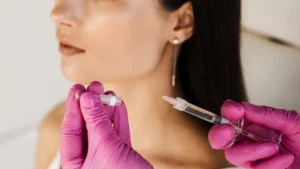
What Are Polynucleotides?
Polynucleotides are long chains of nucleotides, the building blocks of DNA. Injectable aesthetic products contain purified polynucleotide fragments that are processed for use in medical and aesthetic applications.
When administered into the skin, polynucleotides are intended to support the skin’s natural repair environment and improve overall skin quality. They are associated with processes involving fibroblasts, the cells responsible for producing collagen and other components of the skin’s supporting structure.
Polynucleotide treatments are often described as regenerative skin boosters because their purpose is to support skin quality rather than add facial volume.
The formulation, concentration and approved treatment areas can differ between products. A medical consultation is therefore important before choosing a particular polynucleotide treatment.

How Does Polynucleotide Treatment Work?
The skin contains collagen, elastin and an extracellular matrix that help maintain firmness, elasticity and structure. With ageing and environmental exposure, these components can gradually change.
Polynucleotide injections are designed to support the skin’s natural biological environment through several proposed mechanisms:
- Fibroblast activity: Polynucleotides are studied for their potential role in supporting fibroblast activity, which is involved in collagen production.
- Skin hydration: They may support the skin environment and improve the appearance of hydration.
- Tissue repair: Polynucleotides are used in regenerative medicine research because of their potential involvement in tissue-repair processes.
- Skin quality: By supporting the skin’s structure, treatment may help improve the appearance of texture, elasticity and fine lines.
The response is gradual and varies according to skin condition, product formulation, treatment area and individual biology. Results should not be considered guaranteed.
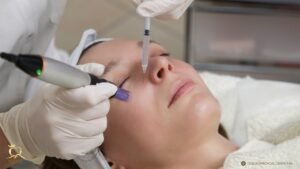
Benefits of Polynucleotides Treatment in Dubai
People consider polynucleotide injections for different skin-quality concerns. Potential benefits depend on individual suitability and the treatment protocol.
1. Improves the Appearance of Skin Texture
Uneven texture, fine lines and rough-looking skin can become more noticeable with age. Polynucleotide treatment may support improvements in the appearance of skin texture over time.
2. Supports Skin Elasticity
Collagen and elastin are important components of the skin’s supporting structure. Polynucleotide therapy is intended to support biological processes associated with skin repair and collagen activity, which may contribute to a firmer-looking appearance.
3. Addresses Selected Under-Eye Concerns
The skin beneath the eyes is thinner and more delicate than much of the facial skin. Fine lines, crepey texture and changes in skin quality can make the area appear tired.
Polynucleotides may be considered for selected under-eye concerns. However, dark circles can also result from pigmentation, genetics, visible blood vessels or facial anatomy. A skin booster cannot address every cause of under-eye discolouration or hollowness.
4. Supports Hydration and Skin Resilience
Hydration contributes to a smoother and healthier-looking complexion. Polynucleotide treatment may support the skin environment and help improve the appearance of hydration and resilience.
5. Supports Personalised Skin-Rejuvenation Plans
Polynucleotides may be considered for people who want to improve skin quality without adding significant facial volume. A practitioner can assess whether the treatment is appropriate as a standalone procedure or as part of a wider aesthetic plan.
Which Areas Can Be Treated with Polynucleotides?
Depending on the product and medical assessment, polynucleotide treatment may be considered for several areas.
- Under-eye area: For selected concerns involving fine lines, crepey texture and skin quality.
- Cheeks and midface: To support skin texture, hydration and the appearance of firmness.
- Neck: To address visible changes in skin quality and early signs of ageing.
- Décolletage: To improve the appearance of skin affected by ageing and environmental exposure.
- Hands: To support skin quality in areas where fine lines and thinning may become more noticeable.
- Acne-scarred areas: Selected patients may discuss polynucleotide treatment as part of a broader plan for improving skin quality around acne-related damage.
The treatment area and injection technique depend on the product’s intended use and the practitioner’s assessment.
Who Is a Suitable Candidate for Polynucleotide Injections?
Polynucleotide treatment may be suitable for adults who want to improve skin quality without seeking significant facial-volume enhancement.
You may wish to discuss this treatment if you have:
- Fine lines or early signs of skin ageing.
- Dull or uneven-looking skin.
- Crepey texture around the eyes.
- Changes in skin elasticity.
- Skin that appears dehydrated or less resilient.
- Selected acne-related skin-quality concerns.
Not everyone is suitable for injectable treatment. Pregnancy, breastfeeding, active skin infections, allergies to product ingredients, certain medical conditions and previous reactions to injectable products may affect eligibility. Your practitioner should review your medical history and the specific product information before proceeding.
What Happens During Polynucleotides Treatment?
At Dr. Disha Dinakar’s clinic in Dubai, treatment begins with a consultation and assessment of your skin.
Step 1: Consultation and Skin Assessment
Your practitioner evaluates your skin condition, treatment area, medical history and aesthetic goals. This helps determine whether polynucleotides are suitable for your concerns.
Step 2: Preparation
The treatment area is cleansed and prepared. A topical numbing cream may be applied when appropriate to improve comfort.
Step 3: Polynucleotide Injections
The product is administered using a fine needle or an appropriate injection technique selected for the treatment area and formulation. The procedure should be performed by a qualified medical professional with knowledge of facial anatomy and injectable treatments.
Step 4: Aftercare
You receive instructions for caring for your skin after treatment. Temporary redness, swelling, tenderness or small bumps around injection points may occur.
Follow your practitioner’s guidance about makeup, skincare, exercise, heat exposure and other activities during recovery.
How Many Polynucleotide Sessions Are Needed?
The number of sessions depends on the product, treatment area, skin condition and individual response. The clinic’s treatment page describes an initial course of two to three sessions, commonly spaced three to four weeks apart. Your practitioner should confirm the appropriate schedule for your specific treatment.
Some patients may discuss maintenance sessions after completing the initial course. The timing depends on the product protocol and how the skin responds.
Improvements are generally assessed gradually rather than immediately. Your practitioner can explain what changes may be realistic and when to review the results.
Polynucleotides vs. Dermal Fillers: What Is the Difference?
Polynucleotides and dermal fillers are both injectable aesthetic treatments, but they have different purposes.
Polynucleotides are intended to support skin quality, hydration and repair-related processes. Traditional dermal fillers are primarily used to restore volume, enhance facial contours and address selected folds.
If your main concern is fine texture or delicate under-eye skin, polynucleotide treatment may be worth discussing. If you want to restore cheek volume, enhance lips or define the chin, dermal fillers may be more appropriate.
Explore Dermal Fillers in Dubai to learn more about volume-restoring injectable treatments.
Can Polynucleotides Be Combined with Other Skin Treatments?
Some patients may benefit from a personalised treatment plan that includes more than one aesthetic procedure. However, combination treatments should be selected according to skin condition, medical suitability and recovery requirements.
For example, Jalupro Treatment in Dubai is another injectable skin booster that combines hyaluronic acid with amino acids. It has a different formulation and treatment approach from polynucleotides.
Patients concerned about skin texture, enlarged pores or mild skin laxity may also discuss Morpheus8 Pro Treatment in Dubai. This radiofrequency microneedling procedure uses a different approach to support collagen remodelling and improve the appearance of selected skin concerns.
Another regenerative option is PRP Treatment in Dubai, which uses platelet-rich plasma prepared from the patient’s own blood. PRP may be considered for selected skin and hair concerns following a medical assessment.
Not every treatment needs to be combined, and performing multiple procedures does not automatically produce better results. Your practitioner should determine the appropriate sequence and timing.
Why Choose Dr. Disha Dinakar for Polynucleotides Treatment in Dubai?
Choosing an injectable treatment requires careful assessment, appropriate product selection and an understanding of facial anatomy. A personalised plan should reflect your skin condition, medical history and expectations.
Dr. Disha Dinakar is a DHA-licensed general practitioner based at Elemental Day Surgical Center in Jumeirah, Dubai. Her aesthetic approach focuses on individual treatment planning and natural-looking results.
During your consultation, you can discuss whether polynucleotides are suitable for your skin, which areas may be considered and what outcomes are realistic. Treatment recommendations should prioritise medical suitability and patient safety.
Frequently Asked Questions About Polynucleotides Treatment
Are polynucleotides the same as fillers?
No. Polynucleotides are not traditional volume-adding fillers. They are injectable skin-rejuvenation products intended to support skin quality and repair-related processes.
Can polynucleotides help with dark circles?
They may be considered for selected under-eye concerns involving skin texture and quality. However, dark circles can have several causes, including pigmentation, genetics, hollowing and visible blood vessels. A consultation is needed to identify the likely cause.
How many sessions are usually required?
The number of sessions depends on the product and individual skin condition. The clinic describes an initial course of two to three sessions, with the final schedule determined during consultation.
Is there downtime after treatment?
Temporary redness, swelling, tenderness or small injection-site bumps may occur. Follow the aftercare instructions provided by your practitioner.
When will I see results?
Changes develop gradually and vary between individuals. Your practitioner can explain the expected assessment timeline based on the product and treatment plan.
Do polynucleotides add volume to the face?
No. They are not designed to provide the same volume-enhancing effect as traditional dermal fillers. Their purpose is to support skin quality.
Book Your Polynucleotides Consultation in Dubai
If you are concerned about fine lines, delicate under-eye skin, uneven texture or changes in skin quality, polynucleotide treatment may be an option to explore.
Book a consultation with Dr. Disha Dinakar in Dubai to discuss your skin concerns and receive a personalised assessment. A professional evaluation can help determine whether polynucleotides or another skin-rejuvenation treatment is better suited to your goals.
Clinic: Elemental Day Surgical Center, 113 Jumeira Street, Jumeirah First, Dubai, UAE.
Phone: 058 54 66 911
Email: drdisha333@gmail.com
