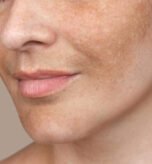
Facial pigmentation is one of the most common reasons people seek advice about uneven skin tone. Brown patches across the cheeks, dark marks left behind by acne, and spots that gradually appear after years of sun exposure can look similar at first. However, they don’t always share the same cause, and the best treatment depends on identifying the type of pigmentation first.
In Dubai, regular sun exposure and time spent outdoors make photoprotection an important part of managing pigmentation. Heat, sweating, air-conditioned environments, and irritating skincare products can also affect a person’s skincare routine, although they do not all cause pigmentation in the same way.
The important distinction is that melasma, post-inflammatory hyperpigmentation, and sunspots are different conditions. A treatment that helps one may be ineffective or unsuitable for another.
For anyone considering facial pigmentation treatment in Dubai, understanding these differences is a useful first step towards a more targeted, medically appropriate treatment plan.
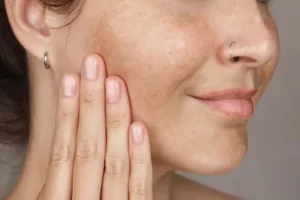
What Is Facial Pigmentation?
Skin color is largely determined by melanin, a pigment produced by specialized cells called melanocytes. Melanin helps protect the skin against ultraviolet radiation, but changes in its production or distribution can create areas that appear darker than the surrounding skin.
The medical term hyperpigmentation describes this excess darkening. It is a broad term rather than a single diagnosis.
Facial hyperpigmentation can develop for several reasons, including:
- Melasma, which commonly produces symmetrical patches on the face.
- Post-inflammatory hyperpigmentation, which follows inflammation or injury such as acne, eczema or an irritating skincare treatment.
- Solar lentigines, commonly known as sunspots or age spots, associated with cumulative ultraviolet exposure.
- Medication-related pigmentation and other, less common pigmentary disorders.
Because these conditions can overlap in appearance, a visual examination and medical history are often needed before selecting treatment.
Melasma vs. Dark Spots: How Are They Different?
Although melasma and other dark spots can all produce brown or grey-brown discoloration, their distribution, triggers and clinical behaviour may differ.
1. Melasma: Persistent, Patchy Facial Pigmentation
Melasma is a chronic pigmentary condition that typically causes irregular, light-brown to dark-brown patches on the cheeks, forehead, upper lip or chin. The patches are often distributed symmetrically across both sides of the face.
Its development is associated with several interacting factors, including ultraviolet exposure, visible light, hormonal influences and individual susceptibility. Pregnancy and hormonal contraception can be relevant for some patients, although not every case has an identifiable hormonal trigger.
Melasma may become more noticeable after sun exposure and can persist for years, with periods of improvement and recurrence.
Why the distinction matters: Melasma often requires long-term management rather than a single procedure. Even when pigmentation improves, ongoing sun protection and maintenance may be necessary.
2. Post-Inflammatory Hyperpigmentation: Dark Marks After Acne or Irritation
Post-inflammatory hyperpigmentation (PIH) develops after inflammation or injury stimulates excess pigment production or alters how pigment is distributed in the skin.
Common triggers include:
- Acne spots and healing acne lesions.
- Eczema or other inflammatory skin conditions.
- Scratching, picking or repeatedly rubbing the skin.
- Irritation caused by unsuitable skincare products.
- Procedures that trigger excessive inflammation in susceptible skin.
PIH often appears in the same areas where the original inflammation occurred. Its colour can range from light brown to dark brown, grey or blue-grey, depending partly on where the pigment is located.
In some cases, the original acne or irritation has already resolved, but the resulting marks remain visible for months or longer.
Treatment therefore involves two objectives: managing any continuing inflammation and gradually reducing the residual pigmentation. Aggressive exfoliation or unnecessary procedures may worsen the problem.
3. Solar Lentigines: Sunspots and Age Spots
Solar lentigines are usually distinct, flat, well-defined brown spots that develop on areas repeatedly exposed to sunlight, such as the cheeks, forehead, temples and hands.
They become more common with age and cumulative sun exposure. Unlike melasma, they often appear as individual spots rather than broad, symmetrical patches.
A clinician should assess any new or changing pigmented lesion rather than automatically assuming it is a harmless sunspot. Changes in shape, colour or size, irregular borders, bleeding or persistent itching warrant medical evaluation.
Treatment for a confirmed benign solar lentigo may differ substantially from treatment for melasma or PIH.
Quick Comparison: Which Type of Pigmentation Might You Have?
| Feature | Melasma | Post-inflammatory hyperpigmentation | Solar lentigines |
|---|---|---|---|
| Typical appearance | Broad, irregular patches | Marks where inflammation occurred | Individual, well-defined spots |
| Common locations | Cheeks, forehead, upper lip | Previous acne or irritated areas | Sun-exposed face, hands and other areas |
| Common associations | Sunlight, visible light and hormonal influences | Acne, inflammation or irritation | Cumulative sun exposure |
| Typical course | Chronic, may recur | Often fades gradually | May persist without treatment |
| Treatment priority | Pigment control and long-term prevention | Control inflammation and reduce residual pigment | Confirm diagnosis and consider targeted treatment |
These are general patterns, not a diagnostic checklist. Some people have more than one type of pigmentation at the same time.
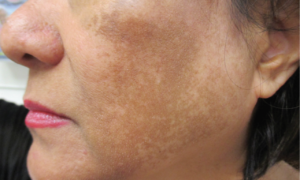
Why Is Facial Pigmentation Commonly a Concern in Dubai?
Dubai’s climate makes consistent sun protection particularly important for people prone to pigmentation.
Ultraviolet Exposure and Visible Light
Ultraviolet radiation can stimulate pigment production and darken existing pigmentation. Visible light can also contribute to melasma, particularly in people with darker skin tones.
For susceptible individuals, repeated exposure can undermine treatment progress even when the skincare routine is otherwise appropriate.
That is why pigmentation management shouldn’t focus only on fading existing marks. Preventing repeated stimulation of pigment-producing cells is equally important.
Skin Tone and Individual Susceptibility
Melasma and post-inflammatory hyperpigmentation can affect people of different skin tones. However, pigmentation may be more pronounced or persistent in individuals whose skin responds to inflammation by producing more melanin.
The risk of post-inflammatory hyperpigmentation is particularly relevant when choosing procedures, chemical peels or active skincare ingredients. Treatment intensity must be matched to the patient’s skin, diagnosis and tolerance.
Skincare Irritation and Over-Treatment
Using several exfoliating acids, retinoids or brightening products at once may irritate the skin, particularly when introduced too quickly or used without appropriate guidance.
Inflammation can make existing pigmentation more noticeable and may trigger additional dark marks. A complicated routine is not necessarily more effective than a simple, consistent one.
How Is Melasma or Facial Pigmentation Diagnosed?
The first step in choosing an appropriate facial pigmentation treatment is determining what is causing the discoloration.
A medical assessment may include the following.
Medical and Skincare History
A clinician may ask when the pigmentation started, whether it changes with sun exposure, whether acne or irritation preceded it, and whether it appeared during pregnancy or after starting a medication.
Your current skincare products, previous procedures and history of sensitivity are also relevant. These details help distinguish between different pigmentary conditions and identify potentially aggravating factors.
Examination of the Skin
The location, distribution, colour and borders of the pigmented areas can provide useful diagnostic clues.
A dermatoscope or other examination tool may help in selected cases. A Wood’s lamp may also be considered, although its usefulness varies with skin tone and the type of pigmentation present.
Not every patient requires imaging, laboratory testing or a skin biopsy. Further investigations depend on the appearance of the lesion and the clinician’s assessment.
Why Accurate Diagnosis Matters
Melasma can resemble PIH, sunspots and other pigmentary disorders. Some pigmented lesions also require assessment to exclude conditions that are not simply cosmetic.
Treating an undiagnosed lesion with a peel or laser may delay appropriate care or worsen discoloration. Diagnosis should therefore come before selecting a procedure.
What Are the Treatment Options for Facial Pigmentation in Dubai?
There is no single treatment that is suitable for every type of pigmentation. The choice depends on the diagnosis, skin tone, depth and extent of pigmentation, medical history, previous treatments and tolerance of skincare ingredients.
1. Daily Sun Protection
Sun protection is a foundation of melasma management and is useful for preventing further sun-related darkening.
A practical approach includes:
- Using a broad-spectrum, water-resistant sunscreen with SPF 30 or higher.
- Applying enough sunscreen to cover exposed skin and reapplying at least every two hours outdoors, and after swimming or heavy sweating, according to the product instructions.
- Wearing a broad-brimmed hat and seeking shade when possible.
- Considering a tinted sunscreen containing iron oxides, particularly for melasma or pigmentation-prone skin, to help protect against visible light.
Sunscreen does not remove existing pigmentation overnight. Its role is to reduce further exposure that may worsen discoloration and compromise treatment results.
2. Topical Treatments for Uneven Skin Tone
Depending on the diagnosis, a clinician may recommend topical ingredients that help regulate pigment production, support skin renewal or reduce inflammation.
Options may include azelaic acid, selected retinoids, vitamin C formulations or prescription treatments such as hydroquinone.
These products are not interchangeable, and their suitability varies. Prescription treatments require appropriate medical guidance, particularly when used for prolonged periods or in combination with other active ingredients.
For example, hydroquinone may be used for selected cases of melasma under clinical supervision. Incorrect use, prolonged unsupervised use or unsuitable formulations can cause adverse effects.
Retinoids may irritate sensitive skin and are generally avoided during pregnancy. Pregnancy or breastfeeding should always be discussed before starting pigment-correcting medication.
The aim is gradual, controlled improvement without provoking the irritation that can lead to additional pigmentation.
3. Chemical Peels
A chemical peel uses a controlled chemical solution to exfoliate selected layers of the skin. Depending on the formulation and depth, it may help improve certain types of superficial pigmentation and uneven texture.
However, a peel is not automatically appropriate for melasma or PIH.
In pigmentation-prone skin, excessive inflammation can cause post-inflammatory hyperpigmentation and make the original concern worse. The type of peel, concentration, skin preparation and aftercare all influence its suitability.
A clinician should assess the skin and explain the expected benefits, limitations and potential complications before recommending a peel.
4. Laser and Light-Based Treatments
Certain laser and light-based procedures may be considered for selected pigmentary conditions, including confirmed solar lentigines. Their role in melasma is more complex because results can be inconsistent and recurrence is common.
Incorrect device selection or excessive treatment intensity can cause burns, scarring, light patches or darker pigmentation, particularly in skin that is susceptible to PIH.
For this reason, laser treatment should not be chosen simply because it is marketed as a fast solution for dark spots. The diagnosis, skin tone, device parameters and clinician’s experience are important considerations.
5. A Personalised Pigmentation Treatment Plan
Some patients benefit from a combination of sun protection, topical medication and carefully selected procedures. Others may achieve meaningful improvement with a simpler skincare regimen.
A personalised plan should establish realistic goals, explain the expected time frame, account for the possibility of recurrence and include a strategy for maintaining results.
For melasma, treatment commonly involves ongoing maintenance. For PIH, addressing the underlying inflammation is essential. For solar lentigines, the clinician must first confirm that the spots are appropriate for cosmetic treatment.
The most appropriate plan is the one that addresses the correct diagnosis while minimising unnecessary irritation and procedural risk.
How Can You Prevent Facial Pigmentation From Getting Worse?
Prevention is an ongoing part of managing pigmentation, not simply a step to complete before treatment.
Keep Your Routine Consistent
Use a gentle cleanser, a suitable moisturizer and daily sunscreen. Add active ingredients gradually rather than introducing several new products at once.
If a product repeatedly causes burning, stinging or redness, stop using it and seek advice if symptoms persist.
Avoid Picking or Scrubbing
Picking acne lesions, scrubbing dark marks or using harsh home remedies can prolong inflammation. This is particularly relevant for people who develop dark marks after even mild skin irritation.
Treating active acne or dermatitis early may help reduce the likelihood of additional PIH.
Protect Your Skin During Outdoor Activities
Sunscreen works best as part of a broader sun-protection strategy. Hats, shade and appropriate clothing help reduce exposure, while reapplication is important when spending extended periods outdoors.
For melasma-prone skin, consistent protection matters even after visible improvement.
Be Cautious With Unsupervised Brightening Products
Products marketed as instant whitening or rapid pigment removal may contain irritating ingredients or inappropriate concentrations of active substances.
Avoid using prescription creams without supervision, combining multiple strong actives without guidance or pursuing aggressive home peels.
Gradual improvement with a well-tolerated routine is generally preferable to irritation followed by additional pigmentation.
When Should You Consult a Doctor About Facial Pigmentation?
A clinical assessment is appropriate when pigmentation persists despite a consistent skincare routine, repeatedly returns, spreads or becomes difficult to manage.
You should also seek medical advice if pigmentation appears after starting a medication, develops alongside a persistent inflammatory skin condition or causes significant concern.
Any pigmented spot that changes in size, shape or colour, develops irregular borders, bleeds or remains persistently itchy should be examined promptly rather than treated as a routine cosmetic concern.
Early assessment can help clarify the diagnosis, identify aggravating factors and prevent unsuitable treatments.
Frequently Asked Questions About Facial Pigmentation Treatment in Dubai
Is melasma the same as hyperpigmentation?
No. Hyperpigmentation is a general term for areas of darker skin. Melasma is one specific pigmentary condition. Post-inflammatory hyperpigmentation and solar lentigines are other distinct causes of dark marks.
Can Dubai’s sun make melasma worse?
Yes. Ultraviolet exposure can worsen melasma, and visible light may also contribute. Consistent sunscreen use, protective clothing and shade are important parts of long-term management.
Does melasma go away permanently?
Melasma can improve significantly, but it may recur and can persist for years. Maintenance skincare and consistent sun protection are often necessary to help control it.
What is the best treatment for facial pigmentation?
The best option depends on the cause. Topical treatments and sun protection are central to many melasma plans, while selected peels or laser procedures may be appropriate for specific conditions. Accurate diagnosis should guide the decision.
Can chemical peels make pigmentation worse?
Yes. Irritation and inflammation caused by an unsuitable or overly aggressive peel can trigger post-inflammatory hyperpigmentation. The risk depends on the individual’s skin, the type of peel and how the procedure is performed.
Is tinted sunscreen useful for melasma?
A tinted sunscreen containing iron oxides can help protect against visible light in addition to providing the UV protection indicated by its SPF and broad-spectrum label. It should be selected for suitable coverage and used consistently.
How long does facial pigmentation treatment take to work?
The time frame varies according to the diagnosis, pigment depth, treatment and individual response. Melasma often requires months of treatment and ongoing maintenance. PIH may fade gradually, while some sunspots remain unless treated.
Should I choose a laser or a topical treatment for dark spots?
Neither is universally better. Topical treatment may be appropriate for some forms of melasma or PIH, while selected discrete sunspots may respond to a targeted procedure. A clinician should confirm the diagnosis and discuss risks before treatment.
Can I treat pigmentation at home?
Daily sun protection and a gentle skincare routine are useful starting points. However, persistent, changing or unexplained pigmentation should be assessed before using strong brightening products, prescription medication or home peeling treatments.
Take a Diagnosis-First Approach to Healthier-Looking Skin
Facial pigmentation is not one condition with one universal solution. Melasma, post-inflammatory hyperpigmentation and solar lentigines differ in their causes, patterns and responses to treatment.
In Dubai, a consistent approach to sun protection, carefully selected skincare and an accurate diagnosis can help reduce avoidable aggravation and support more sustainable improvement.
For people considering facial pigmentation treatment in Dubai, a consultation with a suitably qualified medical professional can help identify the likely cause of discoloration, assess individual risk factors and determine which options are appropriate.
The goal is not simply to make dark spots disappear as quickly as possible. It is to improve uneven skin tone while protecting skin health and reducing the likelihood of further pigmentation.
Book a consultation with Dr. Disha Dinakar to discuss your skin concerns and determine whether a medical assessment or a personalised pigmentation management plan may be appropriate.
Medical disclaimer: This article provides general educational information and does not replace an individual medical assessment. Treatment suitability, prescription decisions and procedural recommendations must be determined by a qualified clinician following examination and review of the patient’s medical history.