

Uneven skin tone, dark spots, and stubborn pigmentation can affect the appearance of your skin. These concerns may develop because of sun exposure, hormonal changes, acne, ageing, or inflammation. While some pigmentation fades over time, other types may need professional treatment.
At Dr. Disha Dinakar Aesthetics Clinic, Pigmentation Treatment in Dubai focuses on improving skin clarity and creating a more even-looking complexion. Treatment options may include Q-Switch Laser, depending on the type, depth, and cause of pigmentation.
A personalised assessment helps identify the right approach for your skin. It also helps determine whether laser treatment or another skin procedure may be more suitable.
What Is Pigmentation Treatment?
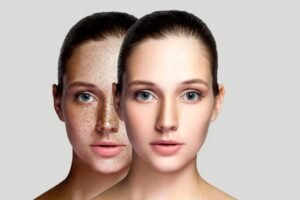
Skin pigmentation refers to changes in the natural colour of the skin. It usually occurs when melanin, the pigment responsible for skin colour, becomes unevenly distributed or accumulates in certain areas.
This can create dark patches, spots, or an uneven complexion. Common types of pigmentation include:
- Melasma: Brown or grey-brown patches, often associated with hormonal changes and sun exposure.
- Sunspots: Dark spots that develop after repeated exposure to ultraviolet radiation.
- Age spots: Flat brown areas that commonly appear on sun-exposed skin over time.
- Post-inflammatory hyperpigmentation: Dark marks that remain after acne, irritation, or skin inflammation.
- Freckles: Small pigmented spots that may become more noticeable after sun exposure.
Identifying the type of pigmentation is important because different conditions respond differently to treatment.
What Is Q-Switch Laser Treatment in Dubai?
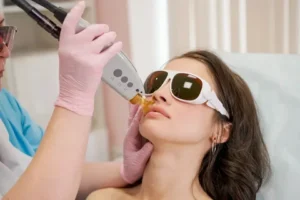
Q-Switch Laser is a technology used to target selected pigment-related concerns. It delivers short, concentrated pulses of laser energy to pigmented areas.
The energy interacts with melanin and breaks the pigment into smaller particles. The body’s natural processes then gradually clear these particles.
The treatment aims to reduce the appearance of selected dark spots while limiting unnecessary effects on surrounding skin. However, results depend on the pigmentation type, skin tone, treatment settings, and individual response.
Q-Switch Laser may be considered for concerns such as freckles, sunspots, and selected forms of uneven pigmentation. Melasma requires particular care because it can be influenced by hormones and sunlight and may return after treatment.
How Does Q-Switch Laser Work?
Q-Switch Laser uses controlled energy pulses to target pigment in the skin. The treatment process generally involves these stages:
- Skin assessment: The practitioner examines the pigmentation and considers its possible cause and depth.
- Laser preparation: The treatment area is cleaned, and protective eyewear is provided.
- Targeted energy delivery: Short laser pulses are directed towards selected pigmented areas.
- Natural clearance: The body gradually processes the fragmented pigment.
- Follow-up care: Skin response is reviewed, and further treatment is considered if appropriate.
The number of sessions varies. Some concerns may improve after a limited number of treatments, while others require a longer plan or a combination of approaches.

Benefits of Pigmentation Treatment in Dubai
A personalised pigmentation treatment plan may help improve skin appearance and address specific discolouration concerns.
Potential benefits include:
- Reducing the appearance of selected dark spots.
- Improving uneven skin tone.
- Targeting certain types of sun-related pigmentation.
- Reducing the visibility of some freckles.
- Supporting a brighter-looking complexion.
- Improving overall skin clarity.
- Offering a non-surgical treatment option.
- Allowing treatment to be tailored to individual skin concerns.
The results are not identical for everyone. A consultation helps establish realistic expectations and identify possible risks.
Which Skin Concerns Can Pigmentation Laser Treatment Address?
Laser treatment may be considered for several types of pigmentation. However, the correct approach depends on the diagnosis.
Sunspots and Age Spots
Repeated sun exposure can cause excess pigment to develop in exposed areas. Q-Switch Laser may help reduce selected sunspots and age spots after assessment.
Melasma
Melasma often appears as brown patches on the cheeks, forehead, upper lip, or chin. It can be difficult to manage because sunlight and hormonal factors may trigger it.
Laser treatment is not suitable for every melasma case. A practitioner may recommend topical skincare, sun protection, or other treatment options instead.
Post-Acne Pigmentation
Dark marks may remain after acne inflammation has settled. These marks are different from depressed or raised acne scars. Treatment depends on whether the concern involves surface pigmentation, deeper scarring, or both.
For patients with additional texture concerns, Fractional Erbium Laser Treatment in Dubai may also be discussed when clinically appropriate.
Freckles and Uneven Skin Tone
Freckles and other small pigmented spots may become more visible after sun exposure. Selected spots may respond to targeted laser treatment, although new pigmentation can develop without ongoing sun protection.
Who Is a Suitable Candidate?
Pigmentation treatment may be considered for adults who want to improve visible dark spots or uneven skin tone.
You may be suitable for an assessment if you have:
- Sunspots or age-related pigmentation.
- Selected types of freckles.
- Post-inflammatory dark marks.
- Uneven skin tone.
- Persistent pigmentation that has not improved with skincare.
Not everyone is a suitable candidate for laser treatment. Active skin infections, recent tanning, certain medications, pregnancy-related considerations, and a history of abnormal skin healing may affect treatment decisions.
A professional consultation is important before starting any procedure.
What to Expect During the Treatment
Your treatment journey begins with a consultation. Dr. Disha Dinakar assesses your skin, discusses your concerns, and reviews your treatment goals.
The process may include:
1. Skin consultation: The practitioner examines the affected areas and identifies the likely pigmentation type.
2. Treatment planning: A suitable approach is selected based on your skin condition and medical history.
3. Laser procedure: If Q-Switch Laser is appropriate, controlled pulses are applied to the selected areas.
4. Aftercare guidance: You receive instructions about skincare, sun protection, and follow-up appointments.
Treatment time and the number of sessions depend on the size of the area and the type of pigmentation.
Recovery and Aftercare Following Q-Switch Laser
Recovery varies according to the treatment settings and individual skin response. Some patients may experience temporary redness, mild swelling, sensitivity, or changes in the appearance of treated spots.
To support skin recovery:
- Follow the aftercare instructions provided by your practitioner.
- Apply broad-spectrum sunscreen as directed.
- Avoid unnecessary sun exposure.
- Do not pick or scratch treated areas.
- Use gentle skincare products during recovery.
- Avoid harsh exfoliation until your skin has recovered.
- Attend recommended follow-up appointments.
Sun protection is particularly important because ultraviolet exposure can trigger further pigmentation.
Combining Pigmentation Treatment with Other Skin Procedures
Some patients have more than one skin concern. For example, pigmentation may occur alongside dehydration, fine lines, acne scars, or uneven texture.
Depending on the assessment, other treatments may be discussed as part of a broader skin plan.
- Mesotherapy in Dubai may be considered for selected skin hydration and rejuvenation goals.
- Exosome Treatment for Hair and Skin in Dubai may be discussed for certain skin and hair concerns, depending on suitability.
- Signature Skin Rejuvenation Treatments provide information about other available aesthetic treatment options.
These procedures are not interchangeable. A practitioner should determine whether combining treatments is appropriate and when they should be scheduled.
Why Choose Dr. Disha Dinakar for Pigmentation Treatment in Dubai?
Choosing a practitioner involves more than selecting a laser procedure. Understanding the cause of pigmentation, assessing skin type, and selecting suitable treatment settings are also important.
At Dr. Disha Dinakar Aesthetics Clinic, treatment planning focuses on individual skin needs. Patients receive a skin assessment, personalised recommendations, and guidance about treatment expectations and aftercare.
The aim is to improve skin clarity while considering skin health and long-term pigmentation management.
Frequently Asked Questions
1. What causes skin pigmentation?
Common causes include sun exposure, hormonal changes, ageing, genetics, acne, and skin inflammation. The cause can influence which treatment is most appropriate.
2. Is Q-Switch Laser effective for pigmentation?
Q-Switch Laser may help reduce selected types of pigmentation, including certain sunspots and freckles. Results depend on the condition, skin type, and treatment plan.
3. How many sessions are needed?
The number of sessions varies according to pigmentation depth, severity, and individual response. Your practitioner can recommend a suitable schedule after examining your skin.
4. Is Q-Switch Laser suitable for melasma?
Not every melasma case is suitable for laser treatment. Some cases may worsen or return. A careful assessment is necessary before choosing a treatment approach.
5. Does pigmentation return after laser treatment?
Pigmentation can return, especially when triggers such as sunlight or hormonal changes remain. Consistent sun protection and suitable skincare can help manage recurrence.
6. Is there downtime after Q-Switch Laser?
Some patients experience temporary redness, sensitivity, or mild swelling. Recovery depends on the treatment settings and individual skin response.
7. Can I use skincare products after treatment?
You should follow your practitioner’s instructions. Gentle skincare and sunscreen are generally important, while irritating products may need to be avoided temporarily.
8. How can I book pigmentation treatment in Dubai?
You can contact Dr. Disha Dinakar Aesthetics Clinic to arrange a consultation. Your skin can then be assessed before a personalised treatment plan is recommended.
Book Your Pigmentation Consultation in Dubai
If dark spots, melasma, or uneven skin tone affect your confidence, a professional assessment can help you understand your options.
Book a consultation with Dr. Disha Dinakar to discuss Pigmentation Treatment in Dubai and whether Q-Switch Laser is suitable for your skin.
Clinic: Elemental Day Surgical Center, 113 Jumeira Street, Jumeirah First, Dubai, UAE
Phone: 058 54 66 911
Email: drdisha333@gmail.com
